


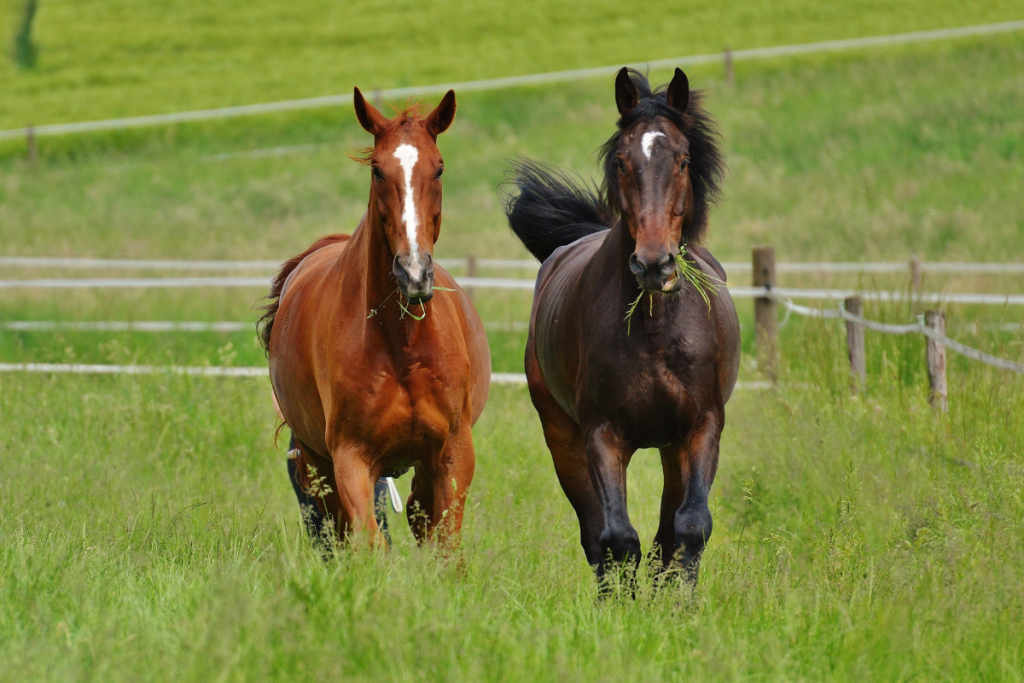
Horses are naturally active, social animals that have evolved to spend most of their day grazing and interacting with other horses. Providing regular turnout and appropriate companionship isn’t simply a luxury, it’s essential for their physical health, mental wellbeing, and overall quality of life.
Whether you own one horse or manage several, understanding their natural behaviours is one of the best ways to keep them healthy and happy.
Horses Are Designed to Move
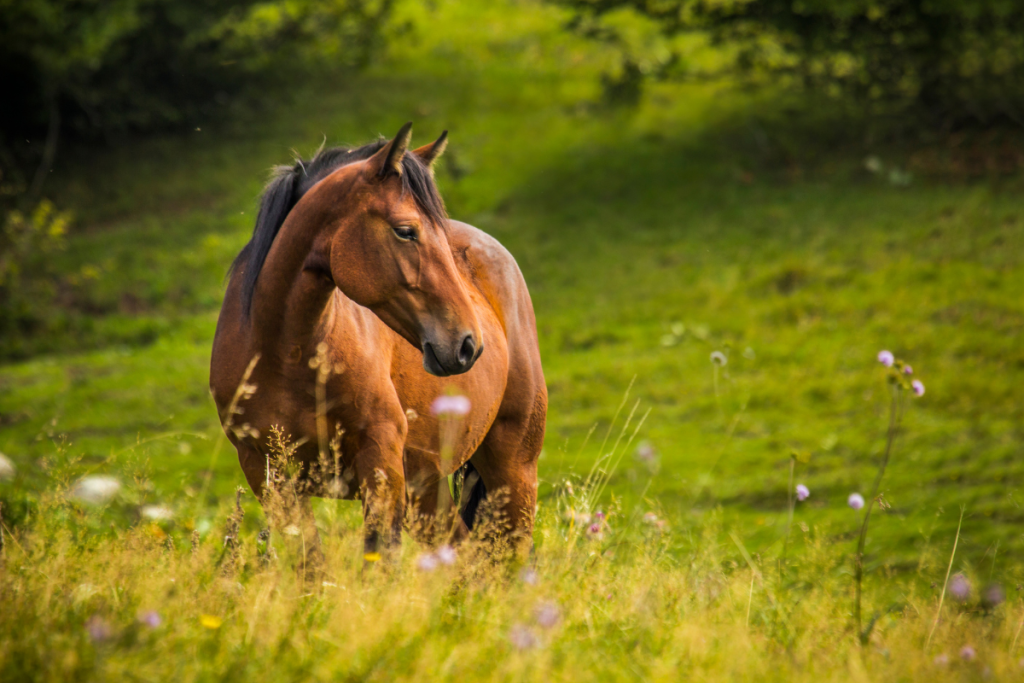
In the wild, horses can spend up to 15 hours a day grazing, covering many kilometres as they slowly move from one area to another in search of food.
This constant movement plays an important role in maintaining healthy muscles, joints, hooves and digestion. Horses that are confined to a stable for long periods are unable to express these natural behaviours, which can negatively affect both their physical and mental health.
Whenever possible, horses should have regular access to safe, secure grazing and enough space to move around freely.
Turnout Supports Physical Health
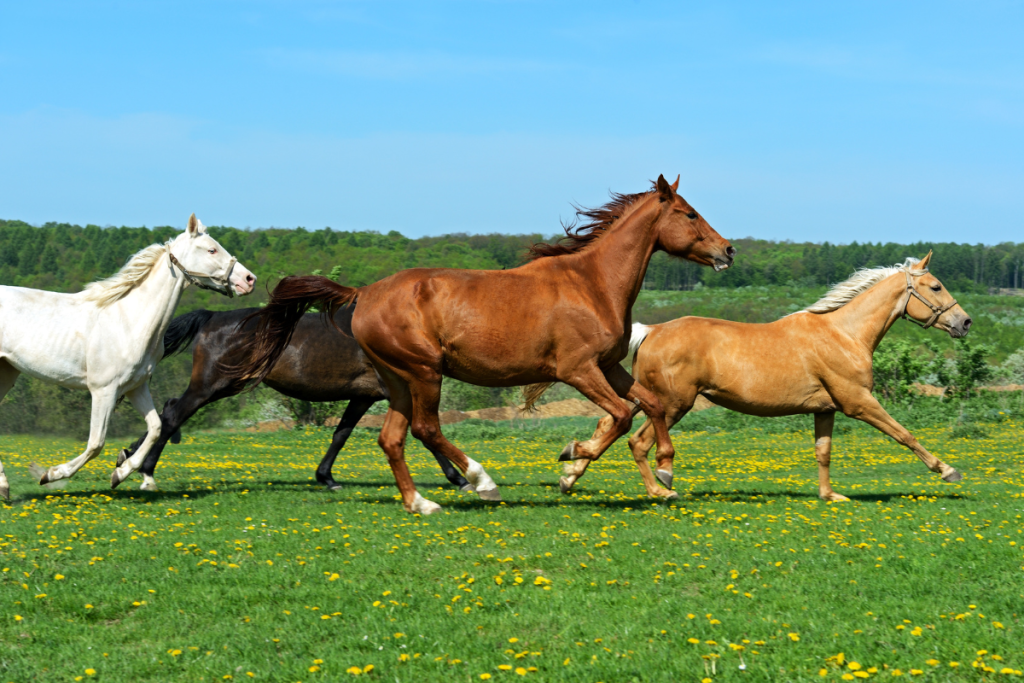
Daily turnout offers many health benefits, including:
- Supporting healthy digestion
- Improving circulation
- Maintaining muscle tone and joint mobility
- Encouraging natural grazing behaviour
- Helping reduce boredom and stress
Lack of turnout has also been linked to an increased risk of gastric ulcers, a painful condition that is common in horses experiencing prolonged stress or limited access to forage.

Horses Need Company
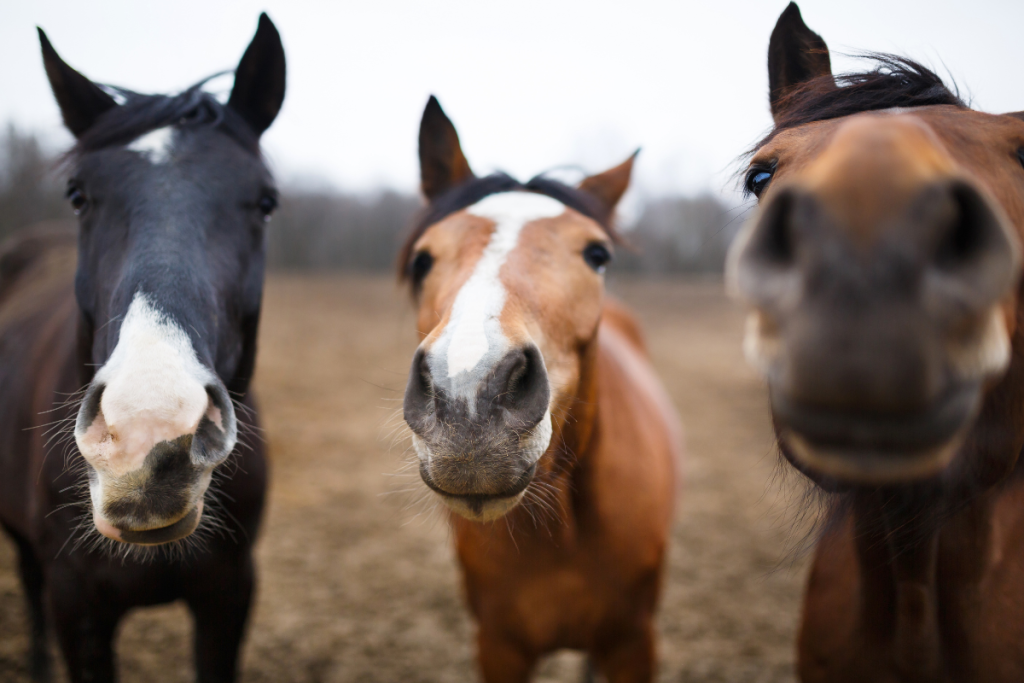
Horses are herd animals and naturally seek the company of others. Living alongside other horses allows them to socialise, groom one another, play and establish normal herd behaviours.
Keeping a horse in isolation can lead to loneliness, stress and anxiety.
Where it is safe and appropriate to do so, horses should be kept with compatible companions. Even if they cannot share the same field, being able to see and interact with other horses is far better than complete isolation.
Recognising Signs of Poor Wellbeing
When horses are unable to express their natural behaviours, they may develop stereotypic behaviours—repetitive actions that often indicate frustration, stress or poor welfare.
Common examples include:
- Crib biting – gripping a solid object with the teeth while sucking in air.
- Box walking – repeatedly pacing around the stable.
- Weaving – swaying from side to side at the stable door.
These behaviours are often difficult to stop once established, making prevention through good management the best approach.
Other signs that a horse may not be coping well include:
- Restlessness
- Depression or withdrawal
- Loss of appetite
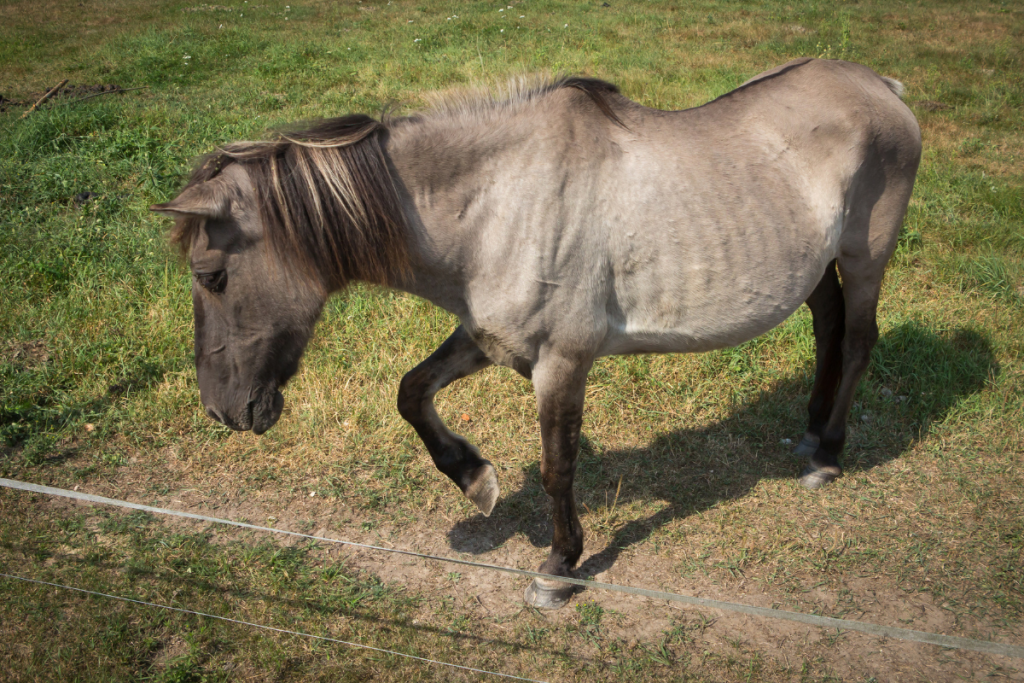
- Weight loss
- Reduced interest in people or other horses
Every Horse Deserves the Chance to Behave Like a Horse
Providing regular turnout, access to grazing and appropriate companionship allows horses to express the behaviours that come naturally to them. These simple but essential aspects of horse care can improve both physical health and emotional wellbeing, helping horses live longer, happier lives.
At the NSPCA, we regularly care for horses that have been deprived of these basic needs. By understanding what horses require to thrive, owners can help prevent welfare problems before they arise and ensure their horses enjoy the healthy, fulfilling lives they deserve.

NSPCA Equine Care Team


