


Toilet training doesn’t have to be stressful. Here’s how to help your puppy learn with patience, consistency, and confidence.
Bringing home a new puppy is exciting. Tiny paws, puppy cuddles, and endless photos for the family WhatsApp group.
Unfortunately, it also usually involves stepping in something unpleasant at least once.
The good news? Most puppies can become reliably toilet trained with consistency, patience, and realistic expectations.
The bad news? Your eight-week-old puppy isn’t having accidents to annoy you, despite what it might feel like when they’ve just peed on the rug after being outside five minutes earlier.
One of the biggest mistakes owners make is expecting too much too soon.
Young puppies have tiny bladders and very little control over when they need to go. They don’t know they’re supposed to hold it, and often don’t realise they need to go until they are already going.
Think of them as furry toddlers. They aren’t being stubborn, lazy, or trying to prove a point. They simply haven’t learned yet.
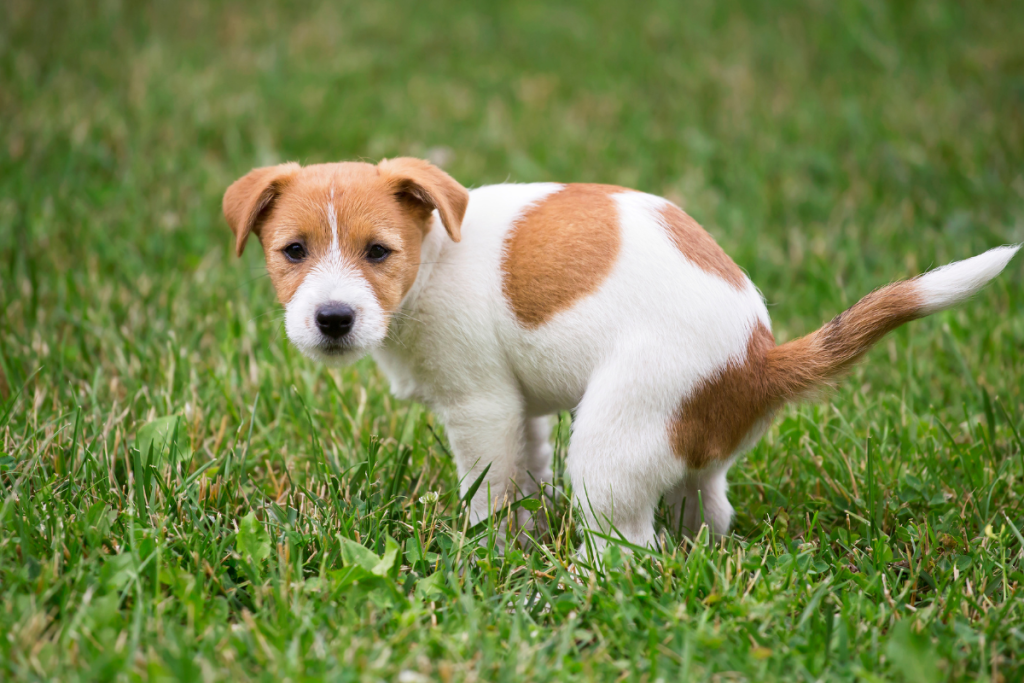
Set Your Puppy Up for Success
The easiest way to toilet train a puppy is to prevent accidents wherever possible.
Take your puppy outside:
- As soon as they wake up
- After eating
- After drinking
- After play sessions
- After training sessions
- Before bedtime
- Any time they’ve been resting for a while
In the early days, this may feel like you’re spending half your life standing in the garden.
That’s normal.
The more opportunities your puppy has to get it right, the faster they will learn.

Reward the Behaviour You Want
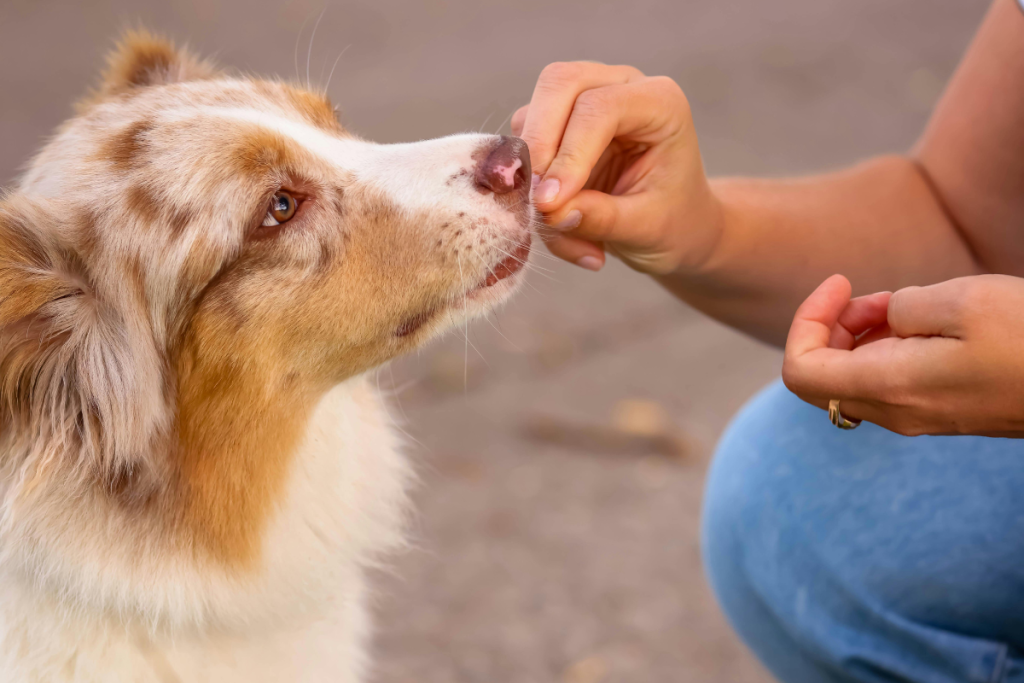
When your puppy toilets outside, celebrate it like they’ve just won an Olympic medal.
You don’t need a marching band, but plenty of praise and a tasty treat go a long way.
The important thing is that the reward happens immediately after they finish toileting. If you wait until you’re back inside, your puppy may think they’re being rewarded for something completely unrelated.
Dogs are excellent at learning patterns. If every successful toilet trip earns them something good, they’ll start choosing that option more often.
Supervision is Your Best Friend
If your puppy is wandering around the house unsupervised, accidents are almost guaranteed.
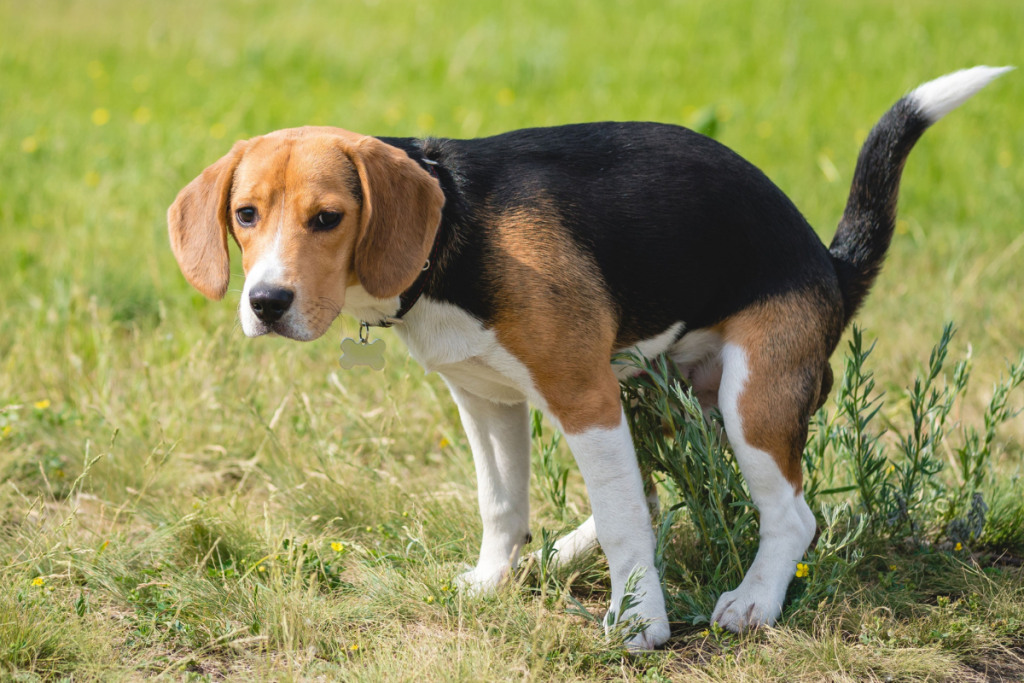
Many puppies will start to sniff, circle, wander away, or suddenly lose interest in what they’re doing before they toilet.
The more closely you supervise, the more likely you are to spot these early signs and get them outside in time.
What About Accidents?
They’re going to happen.
Every puppy has accidents. Most owners have a story about the one that happened five seconds after coming back inside.
When accidents happen:
- Stay calm
- Interrupt gently if you catch them in the act
- Bring them outside
- Reward if they finish outside
- Clean thoroughly with an enzymatic cleaner
What you don’t want to do is punish your puppy.
Rubbing their nose in it, shouting, or telling them off doesn’t teach them where to go. It simply teaches them that toileting around humans is scary.
Some puppies then start hiding behind sofas or sneaking off to another room to toilet, which makes the problem even harder to solve.
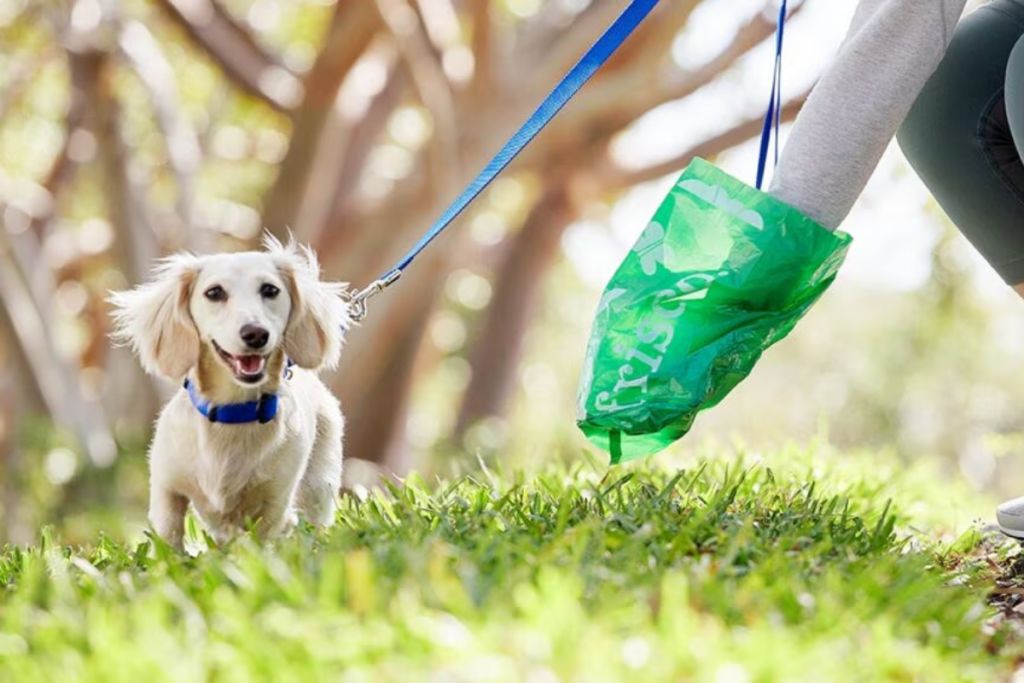
Clean Like a Detective
Dogs have incredible noses.
If an area smells like a toilet to your dog, they’ll often continue using it as one.
Even if you can’t smell anything, your dog probably can.
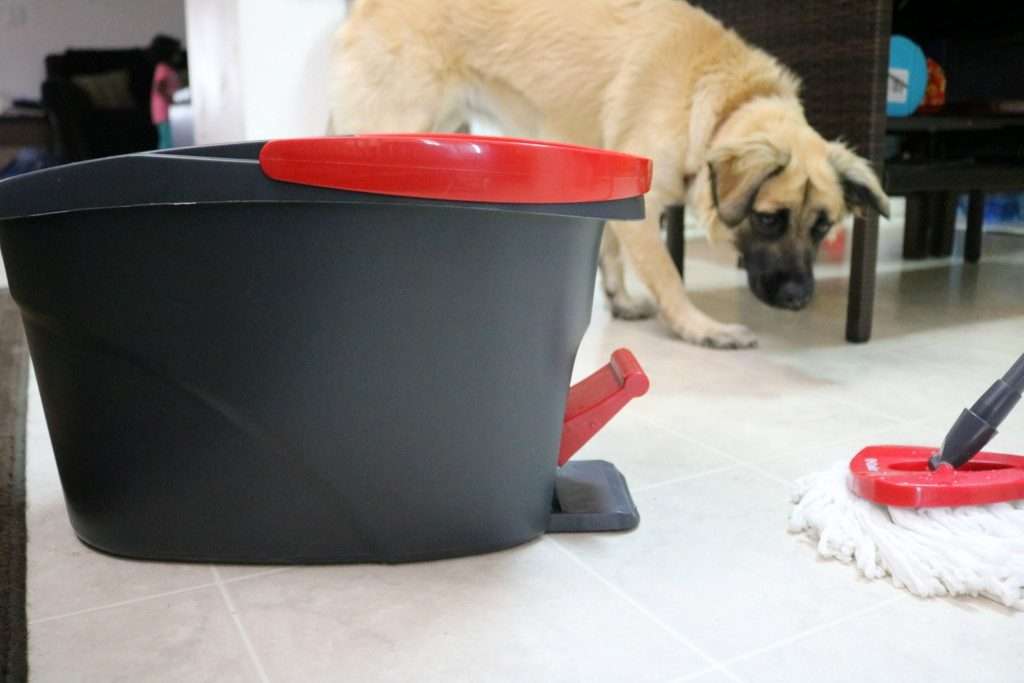
Using an enzymatic cleaner helps break down the scent properly and reduces the likelihood of repeat accidents in the same spot. Avoid using ammonia-based cleaners such as some disinfectants or bleach products. To your puppy, these can smell very similar to urine, making that spot seem like an approved toilet area and increasing the chances of another accident.
What About Puppy Pads?
We generally do not recommend puppy pads for most puppies. While they can seem convenient, they often teach puppies that toileting indoors is acceptable. Later, owners then have to teach a second lesson: that toileting inside is no longer allowed.
When the puppy pad is removed, your puppy may start looking for similar textures around the house instead. Unfortunately, this can mean rugs, mats, carpets, blankets, bedding, or even piles of laundry become the next preferred toilet spot.
Instead, we prefer to focus on teaching puppies from the start that grass and outdoor areas are the toilet.
The Importance of Routine
Dogs thrive on routine.
Feeding meals at roughly the same times each day often leads to predictable toilet habits, making it easier to know when your puppy is likely to need to go outside.
Consistency from everyone in the household is also important. If one person takes the puppy out regularly and another forgets, progress can be slower.
Night-Time Toilet Training
Most young puppies will need at least one toilet trip during the night.
This isn’t forever.
As your puppy grows, their bladder capacity will increase and they will gradually be able to sleep for longer periods without needing to go outside.
If your puppy wakes up during the night, take them straight outside, allow them to toilet, and then return them calmly to bed. Keep it boring. This isn’t the time for a game of fetch.
My Puppy Was Toilet Trained and Has Started Having Accidents Again
Regression can happen.
Changes in routine, moving house, visitors, illness, stress, adolescence, or even changes in weather can all temporarily affect toilet training.
If a previously reliable dog suddenly starts having accidents, particularly if it happens frequently or alongside other symptoms, it’s always worth speaking to your vet to rule out any medical issues.
Remember: Progress Isn’t Always Linear
Toilet training isn’t usually a straight line from accidents to perfection.
There will be good days and bad days.
There will be moments when you think you’ve cracked it, followed by a puddle on the kitchen floor that makes you question everything.
That’s normal.
Stay consistent, reward the behaviour you want, manage the environment, and be patient. You’ll get there in the end.


NSPCA Dog Training & Behaviour Specialist


